







Search Results for: earnings briefing

Yili's Q3 earnings briefing reveals increased investment in sugar-free tea, with differentiated layout of freshly brewed tea products becoming a highlight
Dairy industry leader Yili recently held an earnings briefing for its 2024 Q3 report, with total revenue for the first three quarters reaching 89.039 billion yuan and net profit attributable to shareholders of 10.868 billion yuan, maintaining its position at the top of the industry. Notably, Yili explicitly stated during the meeting that it will increase investment in sugar-free tea beverages, and its Yike Huoquan freshly brewed tea series has grown rapidly thanks to its differentiated design. Against the backdrop of a 2.1% decline in all-channel dairy sales while the beverage market grew at 6.9%, Yili's move is seen as an important strategy to respond to the contraction in dairy and seek new growth points. This article reviews the product features of Yili's freshly brewed tea, the current state of its channel layout, and the prospects of the sugar-free tea market, and includes comparative Q3 performance data for dairy companies. [more…]

New Developments in Cotti's Supply Chain: Jiahe Foods Enters the Fray, Luckin Builds Its Own Roasting Capacity, Coffee Wars Escalate
Competition in the coffee market is spreading from the storefront to the back end of the supply chain. Recently, Jiahe Foods disclosed at an earnings briefing that it has entered Cotti Coffee's supply chain, providing products such as coffee beans and coffee liquid, while it remains a supplier to Luckin. Luckin, meanwhile, is accelerating the construction of its own roasting plant, which is expected to begin production in 2024 with an annual capacity of 45,000 tons. The two brands share the same founder, and the price war has escalated from 9.9 yuan to 8.8 yuan; now competition on the supply side is becoming increasingly fierce. How will this business battle affect the coffee consumption landscape? Front Street Coffee brings you the latest developments. [more…]
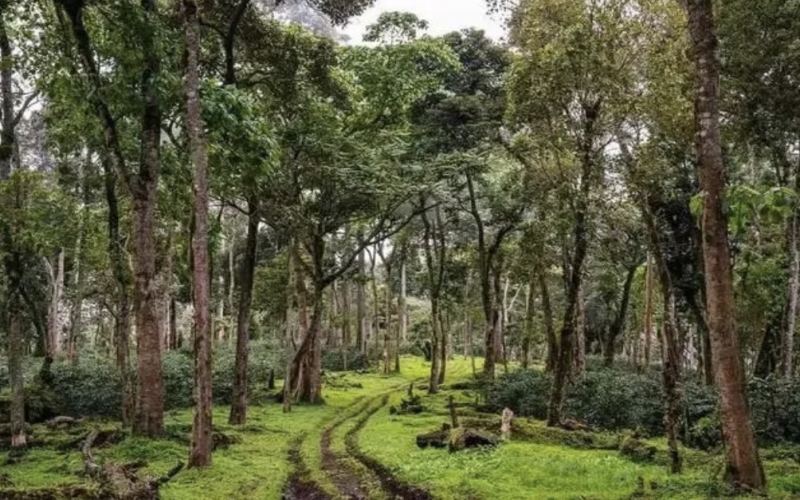
A brief description of the development history of Panama coffee bean cultivation.
Panama coffee is highly renowned in the global coffee market. At the end of the 19th century, when European immigrants settled in Panama, they brought coffee to Panama; the first area where these immigrants grew coffee was the province of Chiriquí. T [more…]

Starbucks earns an additional 7.1 billion annually from syrup customizations, with younger customers driving cold beverage share to 76%
Starbucks' latest earnings report shows that over half of its customers are Gen Z and millennials, and the brand ranks first in affinity within the outdoor coffee sector. Young consumers are keen on personalization and social media sharing, driving cold beverages to account for 76% of total sales at company-operated stores. High-margin syrups and sauce add-ons bring Starbucks about $1 billion (7.174 billion RMB) in additional revenue each year, and daily foot traffic has recovered to 95% of pre-pandemic levels. Front Street Coffee continues to follow coffee industry developments, breaking down for you the business logic and consumer trends behind the customization wave. [more…]
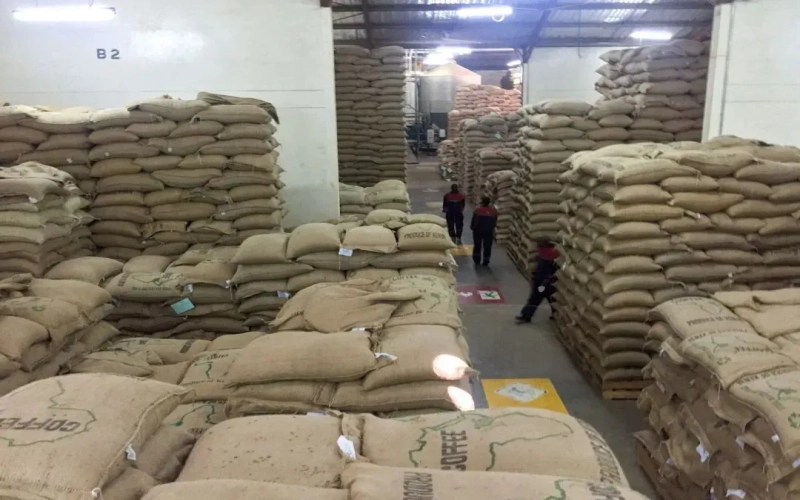
Kenyan coffee auction prices rise 15%, as declining production and political volatility loom over the industry
After the Nairobi Coffee Exchange in Kenya reopened, coffee auction prices rose significantly, with AA-grade green beans fetching US$275 per bag, up 15% from before. Behind this increase are both the direct impact of the government's push for industry reforms and the reduction of intermediary links, as well as multiple pressures such as insufficient processing plant capacity, a shortage of certified planting materials, and the mpox outbreak and domestic political instability. Despite the higher prices, coffee export earnings fell 11.38% year on year, and the industry's outlook remains full of uncertainty. [more…]
Colombia Huila Coffee Recommendation: Front Street Coffee Huayueye Anaerobic Natural Flavor and Brewing Guide
Colombia is the world's third-largest coffee exporter, and its superior geography and climate have earned it a globally renowned status for specialty coffee, with the Huila region standing out as one of the most representative specialty-producing areas. The Colombia Flower Moon Night recommended this time by Front Street Coffee comes from Huila, processed using anaerobic natural methods, of the Caturra variety, grown at an altitude of about 1,700 meters, with a flavor profile that unfolds in layers of pineapple, mango, lychee, cantaloupe, and rum. This article will guide you through the terroir and micro-lot production background of the Huila region, and includes the complete pour-over parameters and brewing method for Front Street's Flower Moon Night, making it easy for coffee enthusiasts to recreate this cup of sweet, rich Colombian flavor at home. [more…]
Yirgacheffe Kochere Estate Coffee Flavor and Grading System Analysis: The Lemon Notes and Origin Story of Washed G2
Yirgacheffe is one of Ethiopia's most iconic coffee regions, impressive for its complex aromas and outstanding flavor. This article starts with its flavor characteristics, describing in detail the dry and wet aroma performance of Front Street Yirgacheffe, and analyzing its unique grading system—which is not based on screen size, but on the proportion of defective beans. It also introduces specific information about Front Street's Kochere Estate washed G2, including roast level, processing method, altitude, and bean size, while tracing the history and business model of coffee cultivation in this region. The article also shares the shop's experience of searching for G1-grade Yirgacheffe, as well as micro-lot G1 Yirgacheffe recommended by professional overseas tasting websites. [more…]

Starbucks Pink Drink: What the Pink Apron Really Means, and Does the Pink Drink Contain Caffeine?
Starbucks has recently officially launched the Pink Drink in the mainland China market, along with three new items: Pink Berry Lemonade Refresher, Dragon Drink, and Mango Dragonfruit Lemonade Refresher, priced between 34 and 40 yuan. To tie in with its summer beverage promotion, Starbucks baristas have put on limited-edition rose-red aprons, a bold and eye-catching choice that netizens have jokingly dubbed the "dopamine apron." At the same time, the brand has changed the mermaid logo on its takeaway cold cups to the silver-white version used in North America, making the look more in keeping with the pink tones of the Pink Drink. This article will explain the ranking significance behind the pink apron and answer the consumer question of whether the Pink Drink contains caffeine, while also retaining relevant recommendations from Front Street Coffee. [more…]

Qian Zhiya becomes the legal representative of Cotti Coffee—can Lu Zhengyao and his old team recreate the Luckin legend?
Cotti Coffee (Tianjin) Co., Ltd. recently completed a change of its legal representative, with Luckin Coffee founder Qian Zhiya replacing Wang Baiyin in the role, while also serving as executive director and manager. The mentor-apprentice relationship between Qian Zhiya and Lu Zhengyao can be traced back to the CAR Inc. period. She single-handedly founded Luckin Coffee and drove its lightning-fast listing in 18 months, later leaving amid a financial fraud scandal. Now the two have once again joined forces to charge back into the coffee track. Facing an increasingly fierce competitive market environment, whether Cotti can replicate Luckin-style growth is worth continued attention. [more…]
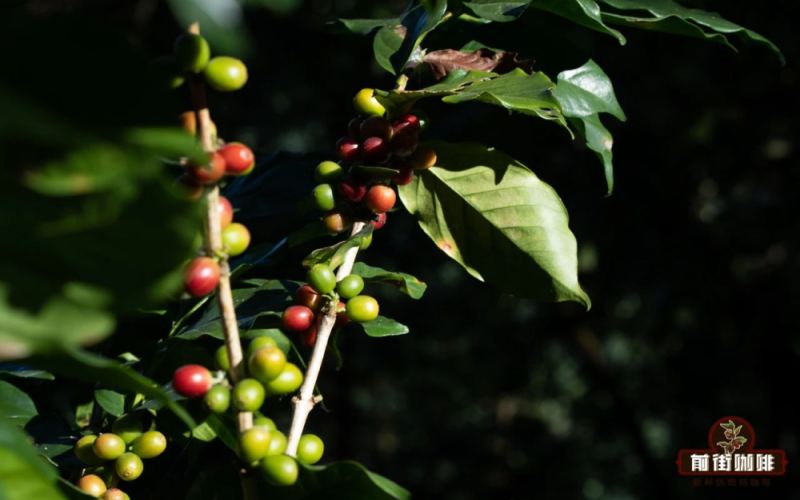
Why Is Yunnan Coffee Called Small-Bean Coffee? A Full Analysis of Its Regional History and Specialty Flavor Brewing
Among the three major species in the Coffea genus, Arabica is called small-fruit coffee because its fruit is relatively small, and this is precisely the origin of the name Yunnan small-bean coffee. This article will start from species classification, review the introduction history and main growing regions of Yunnan small-bean coffee, and, drawing on Front Street Coffee's cupping experience, analyze its neutral taste profile—aromatic without bitterness, rich without harshness, and pleasantly mild in acidity. At the same time, the article will also introduce the three Yunnan coffee beans currently sold by Front Street, as well as the V60 brewing parameters and specific pouring techniques designed for medium-dark roast levels, to help enthusiasts recreate a balanced and gentle cup of Yunnan small-bean coffee at home. [more…]
In-Depth Analysis of Hawaiian Kona Coffee Beans: A Top Choice for Premium Hand-Brewed Single-Origin Coffee and Front Street Brewing Guide
In the world of specialty coffee, Front Street Blue Mountain and Geisha each reign supreme, while Hawaiian Kona, with its reputation as the "Queen of Coffee," stands alongside them to form the famed pairing of "one King and one Queen." This coffee bean from a volcanic island in the Pacific, having weathered nearly two centuries of cultivation hardships, what unique charm does it truly possess? This article will take you into the terroir secrets of the Kona region, from altitude and climate to varieties and processing, from dry and wet aroma to pour-over parameters, offering a comprehensive analysis of the enchanting flavors of Front Street Hawaiian Kona. Whether you are a pour-over enthusiast just starting out or a seasoned player in pursuit of the ultimate flavor, this detailed Kona profile will reveal the rich depth and lingering finish of this top-tier single-origin coffee. [more…]

Heytea's Part-Time Employee Meal Policy Sparks Controversy: No Meals for Shifts Under 6 Hours, Shift Scheduling Manipulation Common
Around the Spring Festival, a large number of university students flocked to tea and coffee shops for part-time work, but a rule at Heytea about mealtimes sparked confusion among employees: they are not allowed to eat unless they have worked a full 6 hours, and if they want to eat, they must either have half an hour deducted from their work hours or volunteer to work overtime. Multiple Heytea part-time employees reported encountering similar or even harsher requirements, and some stores were found to deliberately cap work hours and shorten shifts. In the food and beverage industry, mealtimes are peak hours, so it is normal for workers to be unable to eat on time, but employees question whether the rule is reasonable, believing that management, under the pretext of controlling labor efficiency, is cutting work hours and forcing workers to labor almost without rest while starving. [more…]
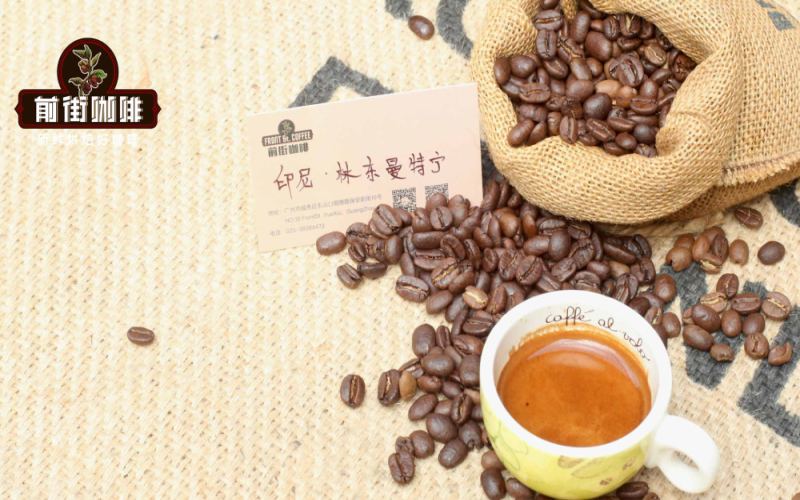
The Wet-Hulling Method Behind Sumatra Golden Mandheling: An Analysis of Process Details and Flavor Origins
In the world of specialty coffee, Front Street Mandheling stands out with its rich spice and untamed wild flavors, and the key to this character, besides terroir and variety, is Sumatra's unique wet-hulling method. This article will take you through the complete wet-hulling process—from depulping, overnight fermentation, and washing to remove mucilage, to hulling at high moisture content, then drying to export standards—while analyzing how this technique gives the coffee a heavier body but may also sacrifice some sweetness and aroma. We will also discuss the true meaning of Front Street Golden Mandheling, PWN's rigorous screening standards, and how Sumatra's exceptional volcanic soil and tropical rainforest climate combine to create a cup of Mandheling with a solid, sweet finish. [more…]

A Full Analysis of the World's Top Ten Coffee-Producing Countries: From Brazil to Yunnan, Front Street Takes You Through the Flavors of Specialty Coffee Beans from Around the World
As one of the world's three major beverages, coffee presents a dazzling array of flavors depending on its origin. From Brazil's rich, nutty notes to Ethiopia's floral and fruity charm, from Indonesia Mandheling's intensity to Jamaica Blue Mountain's elegant balance, every producing country cultivates coffee beans with distinctive characteristics. In this article, Front Street Coffee will guide you through the world's top ten single-origin coffee producing countries, offering in-depth analysis of representative coffees such as Brazil Queen's Estate, Indonesia Mandheling, Colombia HiPaw, Costa Rica Mozart, Ethiopia GuDingDing, Kenya Little Tomato, Rwanda Red Bourbon, Jamaica Blue Mountain, Panama Geisha, and China Yunnan Typica — exploring their flavor profiles and processing methods, and taking you on a journey through the rich allure of the world coffee map. [more…]
From Turin Patent to Global Craze: The Evolution of Espresso and Italians' Taste Obsession
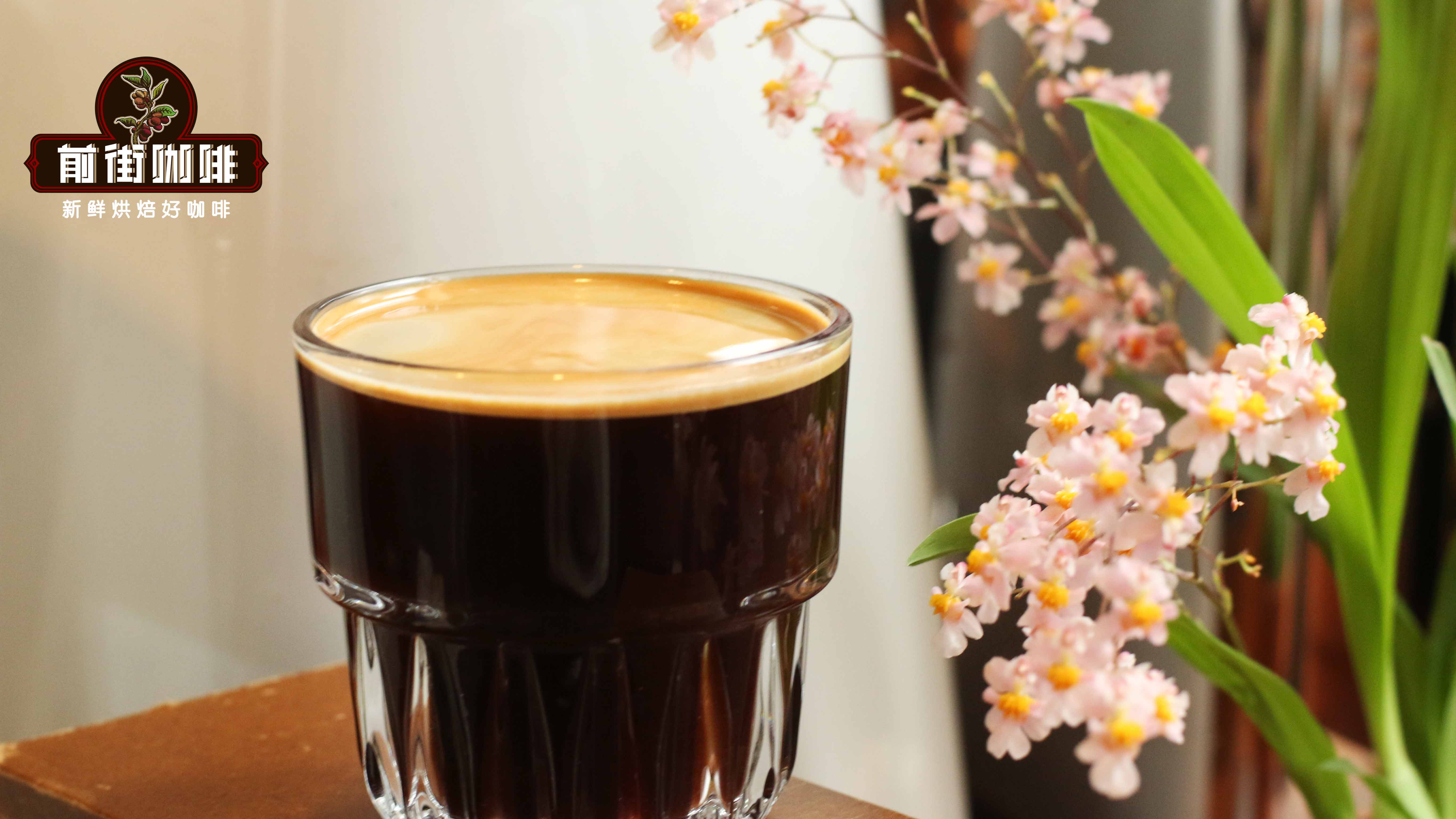
Behind a single cup of espresso lies centuries of accumulated history and the ingenuity of countless engineers. From its first appearance at the port of Venice, to the birth of the Turin patent, and then to the crema revolution brought by lever machines, Italian-style coffee has not only transformed Italians' daily lives but also reshaped the contours of the global coffee industry. Why are Italians so devoted to this small, intensely bitter drink? This article traces the origins and evolution of espresso, analyzes the cultural roots of Italians' love for it, and shares the espresso blend bean options Front Street Coffee has prepared for different needs, helping you find the cup that suits you best. [more…]
A Complete Analysis of Kenyan Coffee Regions: From SL Varieties to the K72 Washing Method and the Historical Thread of the Auction System
Kenya is located in the equatorial zone of East Africa, with the Great Rift Valley running north to south through the country. The plateaus within its borders have an average elevation of about 1,500 meters, providing exceptional terroir conditions for coffee cultivation. Coffee is Kenya's second-largest agricultural export after tea, grown mainly on volcanic plots at elevations of 1,600 to 2,100 meters from the capital Nairobi to the areas around Mount Kenya. This article systematically examines the varietal composition of Kenyan coffee, the microclimatic characteristics of each major producing county, the iconic K72 washed processing method, the green bean grading system, and the evolution of the auction system from the colonial period to the rise of smallholder cooperatives—taking you deep into the complete picture of this heavyweight of African specialty coffee. [more…]
Why Is the 1:16 Pour-Over Coffee-to-Water Ratio Called the Golden Ratio? The Golden Cup Extraction Standard and Practical Parameters Explained
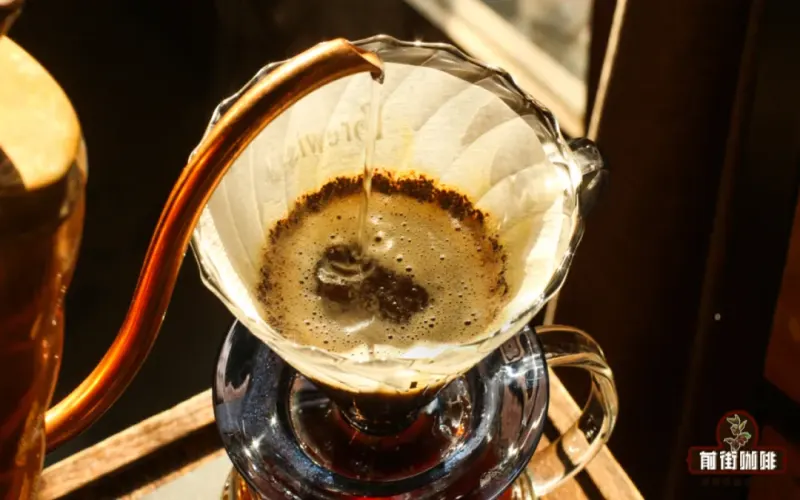
In discussions about pour-over coffee, the 1:16 coffee-to-water ratio is often dubbed the "golden ratio," so some friends are surprised that Front Street Coffee uses 1:15 in its daily routine. Behind this lies the Golden Cup extraction theory—Dr. Lockhart's research indicates that most people prefer coffee with a concentration between 1.15% and 1.35%, and an extraction yield between 18% and 22%. The Golden Cup extraction chart visually illustrates the relationship between coffee-to-water ratio, concentration, and extraction yield, and 1:16 happens to be a ratio that easily falls within the ideal range. However, the Golden Cup standard is only a reference, not an absolute rule: tastes vary from person to person—1:14 or even 1:10 suits those who prefer a strong brew, while 1:17 to 1:20 is better for those who enjoy a lighter taste. Front Street Coffee chooses 1:15 to make the flavors more concentrated and the mouthfeel more substantial, and it adjusts the water temperature and grind based on the roast level. This article will provide a complete analysis of the origin of the golden coffee-to-water ratio, the true meaning of Golden Cup extraction, and Front Street Coffee's specific brewing parameters for beans such as Huakui, Geisha, Queen's Estate, and Golden Mandheling. [more…]

A Global Tour of the Top Ten Renowned Coffee Producing Regions: A Complete Analysis of Specialty Coffee Bean Flavors from Brazil to Yunnan
Coffee, tea, and cocoa are the world's three major beverages. Coffee beans from different producing countries exhibit distinctly different flavor characteristics due to differences in terroir. In this article, Front Street Coffee reviews the world's top ten single-origin coffee bean producing regions, covering Brazil, Indonesia, Colombia, Costa Rica, Ethiopia, Kenya, Guatemala, Jamaica, Hawaii, and Yunnan, China. From variety selection and processing methods to flavor performance, it analyzes the core characteristics of each producing region one by one. It also introduces the blending concepts and brewing performance of several representative coffee beans under the Front Street brand, providing coffee enthusiasts with a systematic guide to regional flavors. [more…]
Analysis of Papua New Guinea Bird of Paradise Estate Coffee Beans: The Origin of the "Little Blue Mountain" Nickname and Its Flavor Characteristics
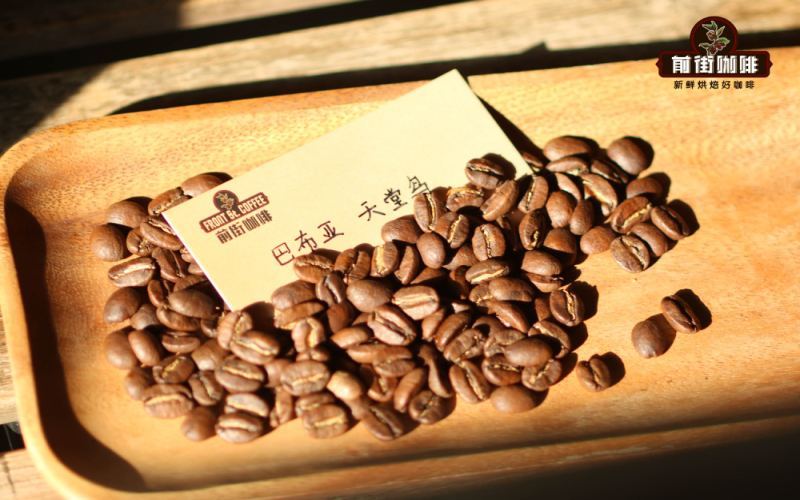
Papua New Guinea coffee, descended from Typica varieties introduced from Jamaica Blue Mountain and grown in similar environments and at comparable altitudes, has earned the nickname "Little Blue Mountain" among many enthusiasts. Front Street Coffee recently acquired a batch of Bird of Paradise coffee beans from the Sigri Estate and conducted a comprehensive evaluation through roasting, cupping, and brewing. This article will guide you through Papua New Guinea's coffee cultivation model, its main producing regions, the origin of the name Bird of Paradise coffee, and the history and ecological philosophy of the Sigri Estate. We will also share in detail Front Street Coffee's roasting curves and brewing parameters, showcasing this bean's unique flavor profile of rich nutty and cocoa notes, subtle berry sweetness, and a balanced mouthfeel. [more…]
Guatemalan Coffee Flavor Characteristics and Analysis of Eight Major Producing Regions: A Complete Overview of Varieties, Grades, and Processing Methods
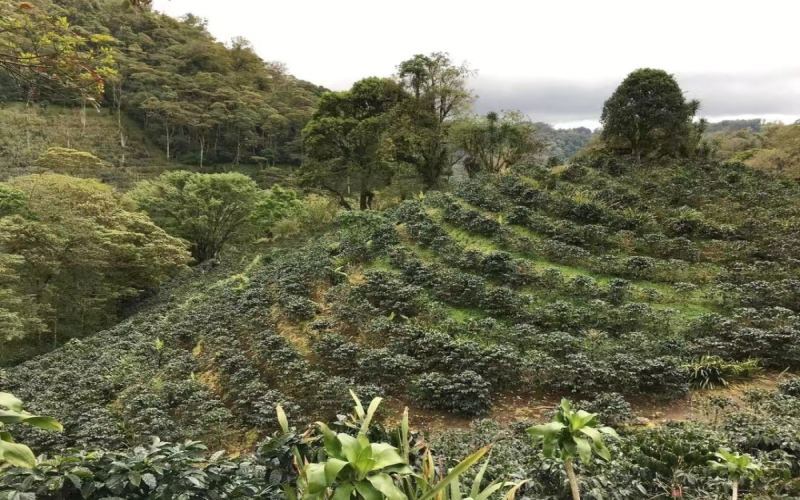
Among the many coffee-producing countries in Latin America, Guatemala—thanks to its unique volcanic geology and microclimates—nurtures coffee beans that combine bright fruity acidity with smoky notes, earning it the nickname "cigarette coffee" among coffee lovers. In this article, Front Street Coffee will start from the history of cultivation, systematically review the flavor differences among Guatemala's eight major coffee-producing regions, explain in detail the grading system based on hardness and altitude, and thoroughly break down the impact of washed and natural processing methods on flavor. In addition, Front Street Coffee will also introduce the characteristics of four major varieties—Bourbon, Typica, Caturra, and Catuai—and include the roasting and brewing parameters for two Guatemalan beans from Front Street Coffee (FrontStreet Coffee), providing coffee enthusiasts with a complete reference from producing region to cup. [more…]